



Why All The Protein Talk In Menopause?
- Michelle Gerber

- Sep 9, 2025
- 3 min read
Updated: Apr 22
Move over, kale and kombucha. There's a new superstar in the wellness world, and it's a real heavyweight: protein! Suddenly, everyone is a self-proclaimed expert, meticulously tracking their macros and discussing the merits of whey versus casein like they're debating a Shakespearean tragedy. Everything from coffee creamer to potato chips is now "protein-fortified." Is this all just hype or is there some merit to the madness, especially during the menopause transition?
Why All The Protein Talk In Menopause?
The Role of Protein
In short, every cell, tissue, and organ in your body relies on protein to function correctly. Protein contains amino acids that are essential for a variety of functions in the body like tissue repair and regeneration, hormone production, and enzyme activity. But vitally, for women in menopause, protein becomes essential for maintaining our muscle mass.
The Role of Muscle
Losing muscle mass is a natural part of aging, but the process accelerates significantly during menopause due to declining estrogen levels. This makes preserving muscle an essential strategy for long-term health and vitality. Think of muscle as your body's most valuable asset for longevity.
Here's why retaining it is so crucial:
It's a shield for your bones. As estrogen disappears, bones become more fragile. The tension and stress that strong muscles place on bones during exercise helps to stimulate bone growth, providing a powerful defense against osteoporosis.
It's a metabolic powerhouse. Muscle tissue is metabolically active, burning more calories at rest than fat. Maintaining muscle helps to keep your metabolism elevated and supports a healthy weight, which can become more challenging during this life stage. If you have a few pounds to lose since starting the menopause transition, protein will be key. It certainly is for me.
It's your key to independence. Strong muscles are vital for balance, stability, and the ability to perform everyday tasks with ease. By protecting your muscle mass, you're protecting your physical strength and your ability to live a full, active, and independent life for years to come.
To keep your muscle—and all its benefits—you have to give your body the building blocks it needs, and that's where eating enough protein comes in.
How much protein do I need?
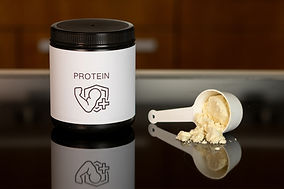
Current protein recommendations for women are set very low. This is further emphasized in menopause, where the current school of thought recommends at least 1.6 g per kilogram of body weight up to 2 g/kg of body weight, especially if you want to lose weight. This means that a women weighing 60 kg would require between 96 g and 120 g of protein per day! The recommendations further advise distributing protein evenly throughout the day.
To make it easy, I like to aim for getting 30g of protein at each meal. If I eat 3 meals a day, this takes me to 90g of protein. Then, a small snack of 10g protein, like a 1/2 cup of Greek yoghurt and berries, will ensure I hit 100g of protein per day.
Most of us are getting nowhere near this amount of protein per day. I challenge you to track how much protein you're actually eating every day. I bet you'll be surprised by the result. There is a good reason for all the talk about protein in menopause.
How to eat enough protein
Increasing your protein intake doesn't have to be complicated! There are 3 fundamentals that will make sure you reach your protein goals:
Build every meal around protein
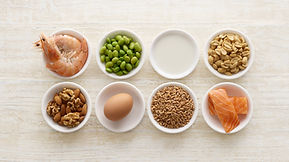
Choose the correct protein sources
Become familiar with protein portion sizes
In the next few blogs, I'll dive into each of these fundamentals to help you take charge of your protein intake and reap the benefits during menopause and beyond.
Subscribe here to get the next blogs straight to your inbox